

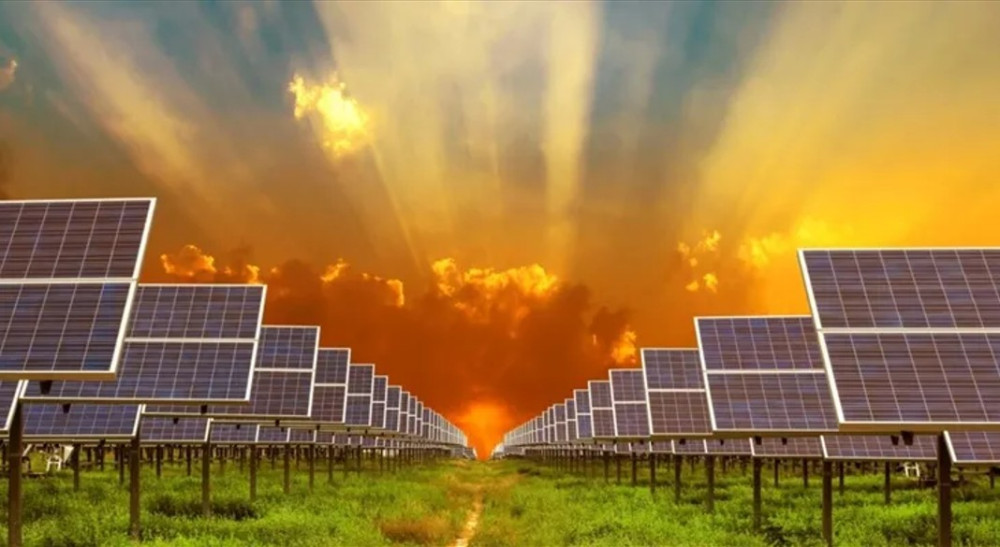
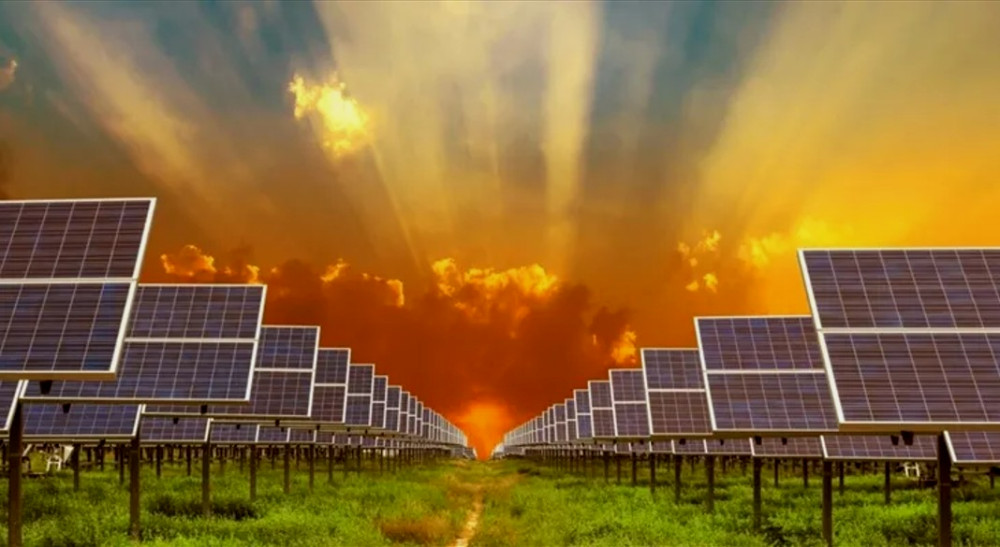
This week, Meta announced the signing of three contracts to supply nearly 1 gigawatt of solar energy. This marks a significant step in addressing the growing demands for its computing power and artificial intelligence projects. By 2025, the company has already secured over 3 GW of solar energy, as reported by TechCrunch.
Solar energy has become a key resource for tech giants due to its affordability and rapid deployment. This makes it an optimal choice amid the rapid expansion of data centers.
On October 27, Meta confirmed a deal to purchase 600 megawatts of energy from a large solar facility in Texas, which is set to be operational by 2027. Although this facility will not be directly connected to the data centers, the generated energy will feed into the local grid, offsetting the consumption of these facilities.
On October 30, the company announced two contracts in Louisiana for the acquisition of environmental attributes amounting to 385 megawatts. These projects are expected to be completed in two years. In this instance, it is about purchasing certificates that allow the company to account for the use of "green" energy from renewable sources instead of fossil fuels.
These certificates, known as Environmental Attribute Certificates (EACs), were introduced years ago when renewable energy was more expensive than traditional sources. They enabled companies to cover the additional costs associated with renewable energy and stimulated the development of such projects.
However, the costs of solar and wind generation have significantly decreased, leading experts to question how effectively EACs contribute to the emergence of additional renewable capacities.
Experts emphasize that if companies want to offset the rising energy consumption driven by AI advancements, they need to invest in building new renewable stations rather than solely purchasing certificates.