

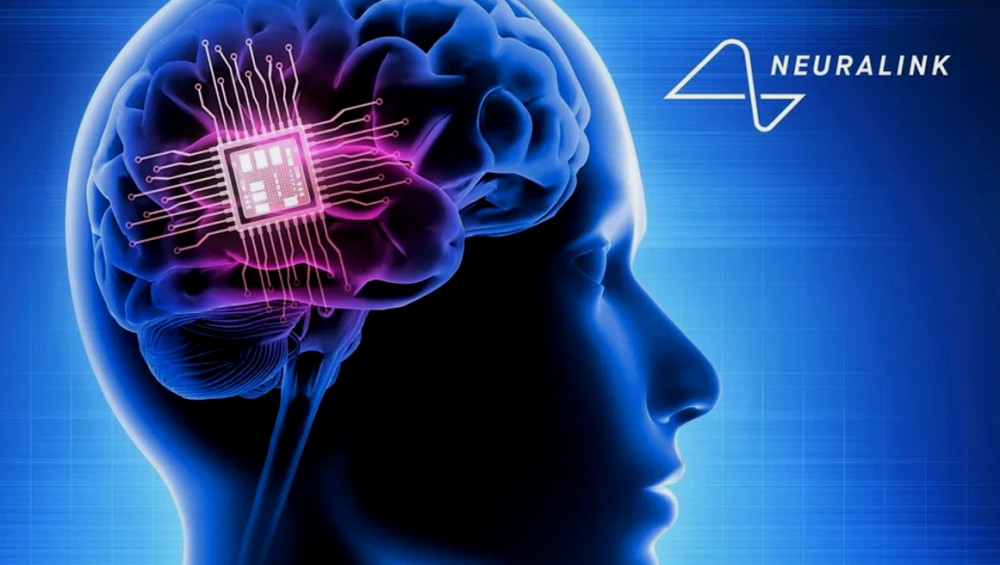
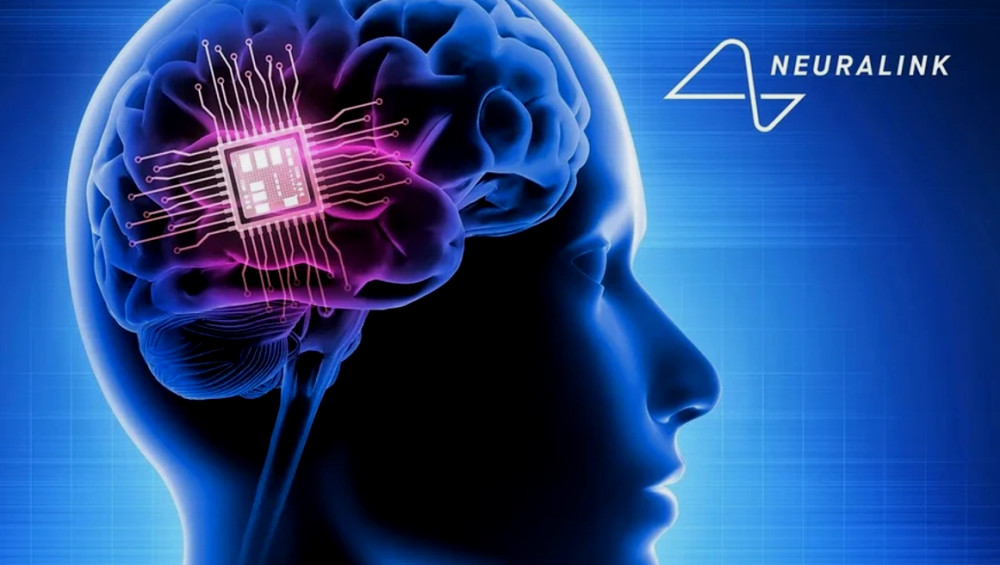
Neuralink, the company founded by Elon Musk, is set to commence clinical trials in the USA in October 2025 for a device capable of interpreting speech signals directly from the brain and converting them into text, according to Bloomberg. The primary aim is to assist individuals with speech difficulties, especially those recovering from strokes or suffering from neurodegenerative diseases like amyotrophic lateral sclerosis (ALS).
The president of the company, DJ Seo, announced that the U.S. Food and Drug Administration (FDA) has granted permission for the study under an experimental device exemption. He stated that the technology will be able to capture what a person is attempting to say or imagines they are saying.
"If you imagine you are saying something, we will be able to capture that," said the Neuralink president.
Currently, Neuralink is conducting five additional clinical trials of implants that allow control of electronic devices, including computers and robotic prosthetics, using brain signals. There are currently no commercially available implants for direct speech reading from the brain.
The company is considering the possibility of implanting its device in healthy individuals by 2030, which would mark a significant step towards consumer technology. According to Seo, users in the future will be able to interact with large language models of artificial intelligence "at the speed of thought" and receive responses, for example, through headphones.
Similar developments are being tested by other research groups to restore speech in patients who retain their cognitive abilities but cannot physically articulate words.
The start of trials in October has been postponed from the initial timeline, which aimed to begin implantation in the speech cortex by the end of September. Besides speech restoration, Neuralink is also exploring treatment options for blindness and Parkinson's disease. By 2031, the company plans to implant devices in 20,000 individuals annually.